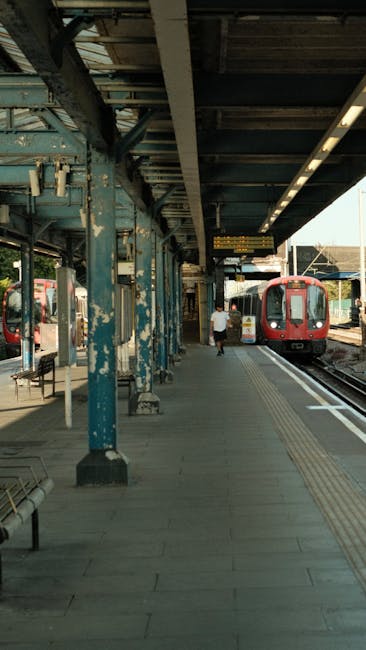
Dulwich removals guide Lordship Lane to North Dulwich Station
If you are planning a move between Lordship Lane and North Dulwich Station, you already know it is one of those Dulwich routes that looks simple on a map and then gets a bit fiddly in real life. Tight side streets, school-run traffic, parking pressure, and the usual "where can the van actually stop?" question can turn a straightforward local move into a small puzzle. This Dulwich removals guide Lordship Lane to North Dulwich Station is here to make that puzzle feel manageable.
Whether you are moving a flat, a family home, or just a handful of bulky items, the goal is the same: keep the day calm, avoid unnecessary delays, and protect your belongings. Below, you will find practical route planning advice, packing guidance, local moving considerations, and a clear checklist so you can get from A to B without the usual moving-day chaos.
Why Dulwich removals guide Lordship Lane to North Dulwich Station Matters
This route matters because it sits right at the intersection of local convenience and local complication. Lordship Lane is lively, busy, and full of movement. North Dulwich Station, by contrast, brings its own constraints: commuter traffic, narrow approaches, and the need to load or unload without blocking the wrong bit of road. That mix is exactly why a Dulwich removals guide Lordship Lane to North Dulwich Station is useful rather than decorative.
A local move in Dulwich is often less about mileage and more about timing. You are not crossing London; you are managing access, parking, stairs, fragile items, and the stress of doing all that while neighbours are coming and going. To be fair, that is where good planning earns its keep. The less time you spend improvising on the pavement, the smoother the whole day feels.
It also matters because Dulwich homes come in many shapes: converted flats, Victorian terraces, maisonettes, and family houses with awkward corners and lovely but stubborn staircases. If you are moving near Lordship Lane or close to the station, the details matter a lot more than they would on a wide, modern estate road.
Expert summary: For short Dulwich moves, the biggest wins usually come from access planning, disciplined packing, and booking the right vehicle size for the street rather than the distance.
If you need broader background on moving options, the services overview and the company's general removals service are useful starting points before you get into the day-by-day detail.
How Dulwich removals guide Lordship Lane to North Dulwich Station Works
The move itself is usually straightforward once you break it into stages. A good local removal plan does three things well: it confirms access, it prepares the load, and it keeps timing tight enough to avoid lingering around the kerb. That last part is more important than people think. Standing around with boxes while someone hunts for a parking space is how a tidy move starts to unravel.
In practice, this kind of move often involves a smaller or medium-sized van, especially if you are moving from a flat or a modest house load. If your items include anything bulky, awkward, or especially delicate, you may need a different setup. The right option depends on more than the number of boxes. It depends on furniture dimensions, stair access, lift availability, and whether the van can stop close enough to the entrance.
For example, a one-bedroom flat near Lordship Lane may be perfect for a compact man with a van in Dulwich, while a larger family move may suit a fuller removal van in Dulwich. If you are comparing approaches, the distinction is simple: one focuses on flexible transport for lighter loads, the other on fuller removal support for bigger or more complex moves.
That choice affects the whole job. The wrong vehicle can mean two trips, more handling, more risk of damage, and more time spent under pressure. Not ideal, really.
Key Benefits and Practical Advantages
A well-organised local move near Lordship Lane and North Dulwich Station offers some very real advantages. First, you keep transit time short. That reduces the chance of damage and means you can often complete the move within a single morning or afternoon slot.
Second, you can plan around local rhythms. Dulwich has peak times that are easy to underestimate: school runs, late-morning errands, and commuter traffic around the station area. If you know those patterns, you can choose a loading window that avoids the most frustrating bottlenecks. Small thing, big difference.
Third, local expertise saves energy. Someone who understands the area knows how to approach a road, where the tricky corners are, and what kind of access assumptions are worth questioning before moving day. That kind of practical judgement is often worth more than a flashy promise.
- Shorter travel time: less exposure to traffic and less handling overall.
- Lower stress: fewer moving parts to coordinate when the destination is nearby.
- Better planning: easier to forecast timing, parking, and route constraints.
- More control: ideal for same-day adjustments if something changes.
- Cleaner process: especially useful when moving only furniture or a small number of rooms.
For people moving into or out of flats, the dedicated flat removals in Dulwich page is especially relevant. If you are moving a house instead, the more specific house removals service may be the better fit.
Who This Is For and When It Makes Sense
This guide is for anyone moving within a small Dulwich corridor and wanting fewer surprises on the day. That includes renters, first-time buyers, families downsizing, students moving between lets, and people relocating a home office or a few key items. It is also helpful if you are not moving far, but your property access is awkward. Sometimes a short-distance move is actually the more delicate one.
It makes particular sense if you are:
- moving between a Lordship Lane address and a property near North Dulwich Station;
- trying to finish in one trip rather than a drawn-out process;
- dealing with stairs, narrow hallways, or no lift access;
- moving on a weekday and need to work around local traffic;
- transporting a few bulky items rather than a full house load.
Students and shared-house renters may prefer a simpler setup, especially if they are only moving boxes, bags, and one or two bits of furniture. In that case, student removals in Dulwich can be the more sensible route. If the job is time-sensitive, same day removals in Dulwich can also be worth considering, though only when the load is realistic and the access is already understood.
And if the move involves work items, archives, or office furniture, don't force a domestic-style plan onto it. The office removals page exists for a reason.
Step-by-Step Guidance
Here is the practical version, without the fluff. If you want the move to feel controlled, work through it in order.
- Confirm what is being moved. Make a clean list of furniture, boxes, fragile items, and anything unusually heavy or awkward. This is where people often underestimate the job by a mile.
- Check access at both ends. Measure door widths, stair turns, and any tight corners. If you are moving near a station road or busy local lane, think about where the van will actually stop.
- Choose the right service style. A small load may suit man with van Dulwich; larger or more formal moves may need full removal services in Dulwich.
- Pack by room and weight. Keep kitchen items together, label bedroom boxes clearly, and avoid overfilling large cartons. Heavy things go in small boxes. Always. Your back will thank you.
- Protect fragile items properly. Glass, artwork, lamps, mirrors, and electronics need cushioning and sensible stacking.
- Disassemble large furniture in advance. Beds, tables, and shelving units move more safely when broken down before the van arrives.
- Reserve a realistic time window. Short local journeys still need buffer time. Traffic, loading, and stair carrying all take longer than people expect.
- Do a final sweep before departure. Check cupboards, drawers, windows, meters, and behind doors. One missing charger can ruin a perfectly good start.
For moving supplies, the packing and boxes service and the alternate package and boxes page are useful if you want help getting the materials right rather than guessing at the supermarket aisle.
Expert Tips for Better Results
In our experience, the smartest moves are rarely the most dramatic ones. They are the ones that are quietly organised. A few small choices make the whole job easier.
Tip 1: Build the van load in the right order. Put heavier items at the base, keep mattresses and sofas protected, and load the items you will need first near the rear. If you are unloading into a property with awkward access, this saves a lot of shuffling.
Tip 2: Use colour or room labels. Plain labels work, but colour coding works better when you are tired and staring at a pile of identical boxes. Blue for kitchen, green for bedroom, that sort of thing. Slightly old-school, very effective.
Tip 3: Avoid peak congestion where you can. Around North Dulwich Station, the timing of your move can matter just as much as the distance. An early start often gives you more breathing room. And less grumbling. Which is nice.
Tip 4: Photograph cable setups before dismantling. TVs, speakers, printers, and routers are infamous for looking simple until you need to reconnect them. A quick phone photo can save twenty minutes of fiddling later.
Tip 5: Keep essentials separate. Kettle, medication, chargers, important documents, toiletries, and a change of clothes should travel with you, not disappear into the back of the van. That first evening will be calmer if you can actually find your toothbrush.
If your move includes valuable or delicate pieces, it is sensible to review furniture removals in Dulwich and, where needed, insurance and safety information so you understand how handling and protection are approached.
Common Mistakes to Avoid
Most moving-day headaches come from a handful of avoidable errors. The good news? They are predictable.
- Leaving packing too late. The night-before scramble is romantic only in films. In real life it just means missing labels and overfilled boxes.
- Underestimating access issues. "It should fit" is not the same as "it will fit safely around that corner."
- Booking the wrong vehicle size. Too small means multiple runs; too large can create access and parking problems.
- Ignoring fragile-item handling. A blanket tossed over a mirror is not proper protection. Let's not pretend otherwise.
- Forgetting parking or waiting constraints. Even short local moves can stall if the van cannot stop close enough.
- Not separating essentials. If your kettle, keys, and chargers vanish into a box mountain, the first evening feels longer than it should.
One more thing: don't assume every local move needs the same setup. A small flat move near the station and a family house move off Lordship Lane are not the same job. They just aren't.
Tools, Resources and Recommendations
You do not need fancy equipment for a smooth move, but a few basic tools really help. The useful stuff is often unglamorous.
- Strong boxes: use sturdy cartons in consistent sizes where possible.
- Marker pens and labels: quick room notes beat vague memories every time.
- Bubble wrap and paper: protect glass, ceramics, and electronics.
- Furniture blankets: essential for painted surfaces and larger pieces.
- Tools for dismantling: screwdriver, Allen keys, tape, and a small zip bag for screws.
- Phone photos: useful for cable setups, furniture condition, and box counts.
If you are comparing service types, the company's man and van Dulwich option is often a practical middle ground for lighter moves, while removal companies in Dulwich can be better when the job is larger, more structured, or simply more demanding.
For readers who want to understand the area a little better before moving, the local reading on navigating Dulwich and local Dulwich tips can be helpful. They are not moving manuals, obviously, but they do give a better feel for how the neighbourhood works day to day.
Law, Compliance, Standards, or Best Practice
For a local removal, the legal and compliance side is mostly about sensible handling, safe loading, and respecting parking, access, and property rules. You do not need to memorise transport law to move house, but you do need a service that treats safety and accountability seriously.
In UK removals, good practice usually means:
- loading items securely so they do not shift in transit;
- using appropriate manual handling methods for heavier furniture;
- protecting entrances, stairs, and floors where necessary;
- being honest about item condition before transit;
- checking booking terms, timing, and cancellation expectations in advance.
It is also worth reading the company's terms and conditions, health and safety policy, and recycling and sustainability information if you want a clearer picture of how jobs are handled. Those pages are a good sign that the operation pays attention to process, not just transport.
For payments and trust, the pages on payment and security and privacy policy are worth a look too. It is not exciting reading, no, but it does matter when you are booking a service and sharing details about your move.
If any item is unusually valuable, awkward, or sentimental, ask questions before the day. That is common sense, but common sense is half the battle with removals. The other half is not putting the heavy box on top of the lamp.
Options, Methods, or Comparison Table
Here is a simple comparison to help you decide which moving method may suit a Lordship Lane to North Dulwich Station relocation.
| Option | Best for | Strengths | Possible drawbacks |
|---|---|---|---|
| Man with van | Small loads, a few furniture pieces, quick local moves | Flexible, efficient, often ideal for short distances | Less suitable for large furniture sets or multiple rooms |
| Man and van | Medium-small moves, student relocations, mixed boxes and items | Practical balance of cost and support | May need more hands-on packing and preparation from you |
| Full removal service | House moves, larger flats, complex access, delicate items | More structured, better for heavier or more involved jobs | Usually more preparation and planning required |
| Same-day removal | Urgent local moves, short-notice changes | Speed and flexibility | Availability can be limited, so timing matters |
If you are moving something unusual, such as a piano or a heavy upright instrument, use a specialist rather than guessing. The piano removals service is the sensible option there. Pianos are not "just another large box," despite what one overconfident neighbour may insist.
Case Study or Real-World Example
Imagine this: a one-bedroom flat off Lordship Lane, moving to a place near North Dulwich Station. The resident has a sofa, a bed frame, a dining table, six boxes of books, kitchen items, and a few fragile bits that they have been meaning to bubble-wrap since Tuesday. Classic.
The move works best when it is treated as a compact, well-timed local job. The furniture is dismantled the day before, boxes are labelled by room, and the lift situation at the destination is confirmed in advance. Because the route is short, the priority is not long-haul transport. It is access. The van arrives, the larger items go on first, fragile items are secured, and unloading is done in one tidy run rather than three stressful bursts.
What would have made it messy? Booking a van that was too small. Or packing books into huge boxes. Or assuming that the station-adjacent road would always have a convenient space. Those are the little assumptions that cause the big sighs. But with the right setup, the whole thing is actually pretty calm.
That kind of smooth move is also why many people prefer a local provider who knows the neighbourhood. A route may only be a few minutes long, but the difference between a sensible plan and a stressful one can feel enormous on the day.
Practical Checklist
Use this checklist the day before and the morning of your move. It keeps the basics visible when everything else is happening at once.
- Confirm van arrival time and contact details.
- Check parking or stopping arrangements at both addresses.
- Label all boxes with room names and fragile notes.
- Pack essentials separately for immediate access.
- Disassemble beds, tables, and other large furniture if needed.
- Protect mirrors, glass, and electronics with proper wrapping.
- Take meter readings and photos if useful.
- Check cupboards, loft spaces, drawers, and behind doors.
- Keep keys, documents, and chargers with you.
- Have water and light snacks ready. Honestly, it helps more than people admit.
Quick takeaway: For a short Dulwich move, the winning formula is simple: clear access, sensible packing, the right vehicle, and no last-minute panic boxes filled with random cables.
Get a free quote today and see how much you can save.
Conclusion
A move between Lordship Lane and North Dulwich Station does not have to be a logistical headache. Once you plan for access, pick the right level of removal support, and pack with a bit of discipline, the whole thing becomes much easier to manage. That is really the heart of this guide: not perfection, just a calmer, more deliberate move.
Short local removals reward preparation. They also reward realism. If your load is larger than expected, say so. If parking is tight, plan for it. If something is fragile, treat it like it matters, because it does. That approach saves time, money, and a fair bit of stress too.
And if you want the move handled with proper local know-how, a service that understands Dulwich streets, station-side timing, and the quirks of Lordship Lane can make the day feel much lighter. Sometimes the best moving day is the one you barely remember. That is the goal, really.
Frequently Asked Questions
What is the best way to move from Lordship Lane to North Dulwich Station?
The best approach is usually a well-planned local removal service with the right vehicle size, especially if access is tight or you have furniture to move. Short distance does not automatically mean simple.
Do I need a full removal company for a small Dulwich move?
Not always. If you only have a few boxes or one or two pieces of furniture, a smaller service such as man and van may be enough. Larger homes, fragile items, or tricky stairs may justify a fuller service.
How far in advance should I book a move in Dulwich?
As early as possible, especially if you need a weekend slot, a school-holiday date, or a specific time window. For urgent situations, same-day options may be available, but they depend on capacity.
What size van do I need for a flat move near North Dulwich Station?
That depends on the number of boxes, furniture dimensions, and access. A one-bedroom flat may fit a smaller van, but bulky furniture can change the picture quickly.
How can I avoid parking problems on moving day?
Check both addresses in advance, think about stopping space, and be realistic about where the van can load or unload safely. A local mover should help you plan for that rather than leaving it to chance.
Is packing service worth it for a local move?
It can be, especially if you are short on time, have fragile items, or just do not want to spend every evening living inside a sea of tape and cardboard.
What should I pack separately and keep with me?
Keep keys, documents, medication, chargers, toiletries, a change of clothes, and any immediate essentials with you. Those items are easy to lose in the shuffle and annoying to replace at short notice.
Can I move a piano or other delicate item on a normal van job?
It is better to use a specialist service for delicate or heavy items like pianos. They need proper handling, equipment, and experience.
What is the difference between man with a van and removal services?
A man with a van is usually a more flexible, lighter-touch option for smaller loads. Removal services are broader and better suited to more complex, larger, or heavily furnished moves.
How do I know if my move is too big for a simple van job?
If you have multiple rooms of furniture, several fragile items, awkward access, or a lot of dismantling, you may need a more structured removal service. When in doubt, describe the load honestly and let the service advise you.
Are short local removals usually completed in one trip?
Often, yes, if the vehicle is sized correctly and the packing is organised. But the number of trips depends on volume, access, and how well the items are prepared for transport.
What should I check before paying for a removal service?
Review booking details, payment terms, safety expectations, and any conditions around delays or access issues. It is worth understanding the terms before the van turns up at the door.
Where can I learn more about local moving options in Dulwich?
You can explore the company's broader removal pages, including removals in Dulwich, the services overview, and related guidance on local moving support.