Parking permit rules Southwark Council and moving vans
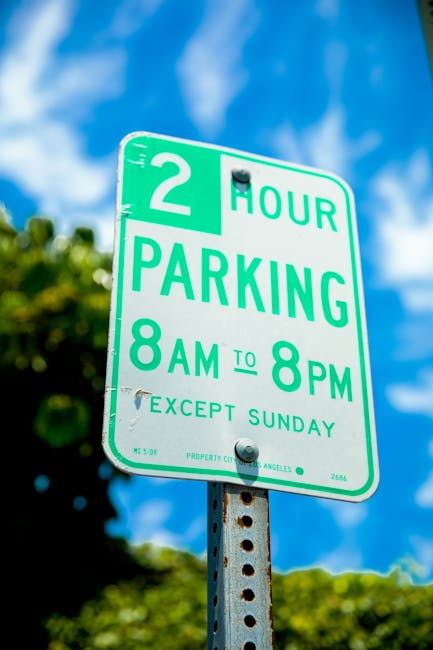
If you are moving in Southwark, parking is often the bit that turns a smooth day into a stressful one. The van arrives, boxes are stacked by the door, the street is already tight, and suddenly the biggest question is not where the sofa goes - it is whether the moving van can legally stop outside at all.
This guide explains parking permit rules Southwark Council and moving vans in plain English. You will learn why permits matter, how moving-day parking usually works, what to check before booking, and how to avoid the classic mistakes that cause delays, fines, or a very awkward conversation with a traffic warden at 8:15 on a wet Tuesday morning.
Truth be told, most moving problems in London are not about lifting furniture. They are about access. So let's make that part easier.
Why Parking permit rules Southwark Council and moving vans Matters
Southwark is one of those boroughs where the street outside your home can make or break the move. Many roads are narrow, heavily used, or controlled by permit parking, loading bays, time restrictions, or shared access arrangements. That means a moving van cannot just pull up and hope for the best. It needs a plan.
Parking permit rules matter because they affect three things at once: access, timing, and cost. If the vehicle cannot stop near the property, your moving team may need to carry items further, work slower, or wait for a legal space to open up. That extra time sounds harmless until it is your fridge, wardrobe, and three flights of stairs on a busy street.
They also matter because moving vans are not like a family car. A removal vehicle may need more space, more loading time, and more flexibility. If a permit or suspension is needed, leaving it until the last minute is where things go wrong. You do not want the move-day version of "we thought it would be fine."
Practical takeaway: for any Southwark move, parking should be treated as part of the move plan, not an afterthought. In many cases, the van booking and the parking arrangement should be thought about together.
This is especially true if you are using a man and van, arranging a larger moving van, or planning a full house move through house removals. The better the access plan, the smoother the day.
How Parking permit rules Southwark Council and moving vans Works
The exact rules can vary depending on the street, the type of parking restriction, and whether you need short-term loading, a suspension, or a resident-style parking arrangement. The main point is simple: you should check the restrictions that apply to the road where the van will stop.
In practice, moving-day parking usually falls into one of these situations:
- Standard permit-controlled street: the road is restricted and the van may need permission to park, load, or wait.
- Pay-and-display or shared-use bay: stopping may be allowed for loading, but only for a limited time and subject to the bay markings and signs.
- Single yellow or double yellow lines: loading may sometimes be permitted, but the rules are sign-dependent and time-dependent. This is not a "park anywhere, sorry mate" situation.
- Suspended bay or restricted access area: if space has been suspended for the move, it is usually easier, but only if the suspension is in place correctly and for the right time.
- Private forecourt or driveway: the easiest option, if available, because it avoids a lot of public-road uncertainty.
Moving vans also have a practical reality: they need enough room for safe loading and unloading. A van parked a little way down the road can still be workable, but it may take longer, and that can affect the schedule. If you are trying to move during school run traffic or weekend busier periods, the margin for error gets tiny very quickly.
For that reason, it helps to think about the move in layers:
- Confirm what parking restrictions apply outside both properties.
- Check whether loading is allowed where the van needs to stop.
- Decide whether a permit, suspension, or loading arrangement is needed.
- Allow extra time for access, lifts, stairs, or awkward furniture.
- Build in a backup plan if the first option is unavailable on the day.
If you are moving a larger household, a commercial unit, or heavier items, it is also worth looking at removal services or even office removals if the job is business-related. The wider the service, the more important the parking plan becomes.
Key Benefits and Practical Advantages
Getting parking right sounds boring. It is not boring when the van is blocked in, or your movers have to circle the block three times. The upside is real, though, and it is worth spelling out.
- Fewer delays: the van can get close to the property and start loading on time.
- Lower stress: everyone knows where to park, when, and for how long.
- Less risk of penalties: you reduce the chance of a ticket, complaint, or enforcement issue.
- Safer lifting: shorter carry distances mean fewer awkward twists and fewer chances for damage.
- Better planning: access can be matched to the size of the vehicle, the property layout, and the moving crew.
There is also a quieter benefit: moving feels more under control. That matters. People often underestimate how much energy gets drained by uncertainty. When the van can stop legally, the whole operation feels calmer. Boxes move, the kettle appears, and the day starts to breathe again.
For anyone arranging a home move, the access side fits neatly alongside home moves, house movers, and packing and unpacking services. In other words, parking is not separate from the move. It is part of the service quality.
Who This Is For and When It Makes Sense
This guide is for anyone moving in Southwark, but a few groups need it more than others.
- Flat movers: especially if you are in a terraced street or a block with limited loading space.
- Families moving house: because the number of trips, boxes, and bulky items adds up quickly.
- Students and renters: smaller moves can still go wrong if the van cannot stop legally.
- Businesses relocating: office moves often involve time pressure and more than one vehicle.
- Anyone with awkward access: cul-de-sacs, tight corners, red routes, gates, or roads with busy daytime traffic.
It also makes sense if you are using a smaller vehicle and assuming that means "no parking issue." Not always. Even a compact van may still need loading clearance. Sometimes the problem is not vehicle size; it is where the van can pause without blocking traffic or breaking local restrictions. Annoying, yes. Normal, also yes.
If you are comparing options, a dedicated removal company may help coordinate access more smoothly than a last-minute ad hoc booking. For some moves, a flexible man with van removal setup is enough. For others, especially bigger households, a more structured service is the safer bet.
Step-by-Step Guidance
Here is the cleanest way to handle parking when you are moving in Southwark.
- Check the exact street outside both addresses. Do not assume the restriction is the same on every side of the road.
- Read the parking signs carefully. Loading rules, times, and bay types can change by location and by time of day.
- Measure access, not just distance. Think about corners, steps, lifts, steep kerbs, and where the van doors can open safely.
- Decide what kind of vehicle you actually need. A smaller van may fit easier; a larger one may reduce trips but need more space.
- Build the timetable around parking, not the other way round. If parking is tight at 8 a.m. but easier later, that should affect the moving schedule.
- Prepare proof or paperwork if needed. Keep booking details, vehicle information, and any permit or suspension references ready.
- Have a backup plan. If the loading spot is taken, decide in advance where the van can wait legally.
A small real-world tip: if the move is likely to involve a lot of carrying, tell the movers in advance. They can plan the order of loading and unloading accordingly, which saves time and avoids the "where is that box now?" routine.
And yes, keep the house keys, parking details, and phone charged. It sounds obvious. On moving day, obvious things have a habit of disappearing.
Expert Tips for Better Results
Most moving-day parking mistakes are avoidable with a bit of care. These tips are based on what tends to go right in busy London moves.
- Plan for the worst curb access, not the best. If the van cannot stop right outside, how bad is the walk from the nearest legal bay?
- Avoid leaving the parking decision until the morning. By then, you are already juggling boxes, coffee, and people asking where the phone chargers went.
- Match the vehicle to the street. Tight residential roads often favour compact, agile vehicles over oversized trucks.
- Keep vulnerable items separate. If the van has to park farther away, fragile items should not be the last box loaded.
- Use a move order that reduces back-and-forth. Heavy or large furniture should be ready first if access is limited.
- Ask about insurance and safety procedures. Good moving firms should be able to explain how they manage parking-related loading risks. See the company's insurance and safety approach before the day.
If you are dealing with multiple properties, business stock, or specialist items, a service such as commercial moves can be more efficient because it accounts for access, timing, and vehicle coordination from the start.
One small but useful habit: stand outside the property for two minutes at the time of day you plan to move. Traffic feels different at 11 a.m. than it does at 4 p.m., and the street will tell you more than a vague memory ever will.
Common Mistakes to Avoid
Here are the errors that trip people up most often.
- Assuming loading is automatically allowed. It may be, but only under certain conditions.
- Forgetting that the opposite side of the street may have different restrictions. Same road, different rule. London loves that sort of thing.
- Booking a van without checking where it will stop. A vehicle can be the right size and still be the wrong fit for the road.
- Not allowing enough time for the carry. A short road can still mean a long move if access is poor.
- Leaving permits or parking arrangements until the last minute. That is where avoidable stress piles up.
- Ignoring building rules. Some flats and managed buildings have their own loading instructions that matter as much as street parking.
Another subtle mistake is overestimating how much can fit into one trip. If the van is parked far away, loading becomes slower. That can change what looked like a neat, one-trip move into a much longer day. Not ideal, obviously.
For the best results, pair the parking plan with the right moving support, whether that is movers, a moving truck, or a lighter removal van depending on the property and the street.
Tools, Resources and Recommendations
You do not need a complicated toolkit, but a few simple items make life easier.
- Notebook or phone notes: record parking signs, times, and any access instructions.
- Phone camera: take pictures of the street layout and parking signs if you need to brief movers or household members.
- Floor plan or room list: helps the team decide what needs to come out first.
- Measurements: useful for sofas, wardrobes, and tight hallways.
- A labelled box for paperwork: keep any move-related documents together so they do not vanish into the kitchen drawer vortex.
From a service-planning point of view, it can be helpful to look at pricing and quotes early, because the parking situation may affect how much time or vehicle capacity you need. The same is true if you are weighing up a man with van option against a more full-service approach.
If you are moving furniture only, or clearing bulky items, it may also be worth considering furniture pick up. Different jobs, different access needs. Simple as that.
Law, Compliance, Standards, or Best Practice
Parking and loading in Southwark is not just a convenience issue. It sits within wider UK road-use and parking expectations, and you should treat the local restrictions as rules to follow, not suggestions to negotiate with the street.
In practical terms, that means:
- Parking signs should be checked in the exact location where the van will stop.
- Loading must be done safely and without unnecessary obstruction.
- If a permit, bay suspension, or other parking arrangement is needed, it should be sorted before moving day where possible.
- Drivers and movers should avoid assumptions about "just a few minutes." Those few minutes can still matter.
Best practice is to keep records of your parking arrangement, the booking time, and any building access notes. This protects everyone if there is confusion later. It is also sensible to work with a moving team that understands local parking challenges and has a calm, methodical process. A company's terms and conditions and operational policies can tell you a lot about how they handle responsibility and planning.
If your move involves business premises, access management becomes even more important because staff, neighbours, and deliveries can all be affected. In that situation, careful planning is not just best practice - it is common sense.
Options, Methods, or Comparison Table
Not every move needs the same parking strategy. Here is a simple comparison to help you choose the most realistic approach.
| Option | Best for | Pros | Trade-offs |
|---|---|---|---|
| Private driveway or forecourt | Homes with off-street access | Fast, simple, less stress | Not available for many Southwark properties |
| Legal loading bay | Short stops and urban moves | Close access, efficient loading | Often time-limited and street-specific |
| Parking permit or suspension | Moves needing reserved curb space | More certainty on busy roads | Needs advance planning and correct setup |
| Flexible nearby legal parking | Smaller moves or lighter loads | Can work well when space is limited | Longer carry distances, slower overall |
| Commercial or multi-vehicle planning | Office or larger property moves | Better coordination and timing | More moving parts to manage |
For many Southwark households, the sweet spot is not "the biggest van possible." It is the van that can actually access the road without making the rest of the move harder. That is where a good removal van or tailored man and van removals setup can be more practical than going large for the sake of it.
Case Study or Real-World Example
Here is a realistic Southwark-style scenario.
A couple moving from a first-floor flat near a busy residential street had a simple goal: load a sofa, bed, boxes, and a few kitchen items before lunchtime. At first, they assumed the van could stop outside for half an hour and everything would be fine. But the street had permit restrictions and limited curb space, and the nearest legal stopping point was further down the road.
Once they checked the access properly, they adjusted the plan. They moved the start time slightly, used a smaller van, and pre-packed the boxes so the most awkward items were closest to the door. They also kept the hall clear, which sounds minor until you are turning a mattress around a tight stair landing. The move still took a bit of effort - these things always do - but it was orderly, legal, and far less chaotic than the original plan.
The main lesson? A parking plan can save more time than a rushed booking ever will. And if the move had involved a larger property, a service like removals or house removals would have made even more sense because the access problem would have needed a fuller solution.
Practical Checklist
Use this before move day. It keeps the chaos down a notch.
- Check parking signs outside both addresses.
- Confirm whether loading is allowed at the planned time.
- Decide if the van needs a reserved stop, permit, or suspension.
- Measure doors, stairs, lifts, and tight corners.
- Choose the right van size for the street, not just the contents.
- Tell the moving team about any access issues in advance.
- Prepare a backup legal parking plan nearby.
- Keep keys, paperwork, and phone charged and easy to reach.
- Label fragile items clearly if they may need a longer carry.
- Review the mover's safety and insurance information.
If your move is part of a bigger life change - a new flat, a bigger family home, or a business relocation - it may help to choose a team that can cover the lot, from home moves to office relocation services. That way, the parking plan sits inside a proper move plan, which is what you want, really.
Conclusion
Parking permit rules Southwark Council and moving vans are not the glamorous part of moving, but they are often the part that decides whether the day feels calm or chaotic. If you check the road restrictions early, plan the vehicle properly, and build in a sensible backup, you give yourself a much better chance of a smooth move.
The big idea is simple: treat parking as part of the service, not a side issue. That one shift in planning can save time, reduce stress, and make the whole move feel more manageable. And when you are juggling boxes, furniture, and the emotional weirdness of leaving one home for another, a bit of control goes a long way.
Get a free quote today and see how much you can save.
Move day is always a little messy. But it does not have to be a nightmare. With the right parking plan, it can still feel organised, human, and maybe even a bit satisfying when the last box comes through the door.
Frequently Asked Questions
Do I need a parking permit for a moving van in Southwark?
Sometimes, yes - but not always. It depends on the street, the signs, the time of day, and whether loading is allowed. The safest approach is to check the exact location where the van will stop rather than guessing.
Can a moving van stop on yellow lines while I move?
Possibly, but only in some situations and only if loading is permitted. You need to read the signs carefully and make sure the stop is genuinely for loading or unloading, not casual parking.
Should I arrange parking before booking the van?
Ideally, yes. Vehicle size and parking access go together. A van that suits your belongings may still be the wrong choice if it cannot stop safely near the property.
What happens if the van cannot park outside my home?
The team may need to use a nearby legal space and carry items further. That usually means more time, more effort, and potentially a longer move overall.
Is a smaller van better for Southwark streets?
Often it is. Many residential roads are tight, so a compact vehicle can be easier to position legally. That said, the best van depends on the size of the move and the access at both addresses.
Do I need to tell my movers about parking restrictions in advance?
Absolutely. Good movers plan around access. If they know about permit streets, narrow bays, or building rules early, they can set the day up more efficiently.
How early should I think about parking for a move?
As early as possible, especially if you are moving in a busy part of Southwark or during a high-demand period. Leaving it until the day before is where trouble tends to start.
Can office moves use the same parking approach as home moves?
Not quite. Office relocations often involve more equipment, more pressure on timing, and more people around the building. They usually need a more structured access plan.
What if my building has its own parking rules?
Then those rules matter as much as the street restrictions, sometimes more. Always check with the building management or landlord well before moving day.
Are removal companies useful for parking-heavy moves?
Yes, especially when access is tricky. A structured team can help coordinate vehicle size, loading order, and timing so the parking issue does not become the main event.
Can I combine a moving van with packing help to save time?
Yes, and in many cases that is a smart move. Packing support can reduce loading time, which matters a lot if parking space is limited or time-restricted.
What is the biggest mistake people make with Southwark parking rules?
Assuming the van can just stop outside for a bit. In London, "just for a bit" is how people end up with fines, delays, and a very long afternoon.
What kind of move benefits most from advance parking planning?
Pretty much any move in a constrained street, but especially flat moves, family house moves, office relocations, and jobs involving bulky furniture. The more awkward the access, the more valuable the plan.